Women’s fashion is not merely about clothing; it is a powerful reflection of identity, culture, confidence, and lifestyle. Throughout history, women’s fashion has evolved alongside social changes, economic growth, and cultural shifts. From ancient traditional garments to modern silhouettes, fashion has always played a significant role in how women express themselves and interact with the world. Today, women’s fashion stands as a global language that connects creativity, individuality, and empowerment.
In the contemporary era, women’s fashion has expanded beyond rigid beauty standards and seasonal trends. It now embraces diversity, inclusivity, and comfort while still celebrating elegance and innovation. Women today are no longer restricted to a single fashion identity; they can be bold one day and minimal the next. Fashion allows women to adapt their appearance according to mood, profession, culture, and personal beliefs.
This comprehensive article explores women’s fashion in detail through 20 well-structured points, each explained in paragraph form. The purpose is to provide a deep understanding of how women’s fashion influences confidence, reflects culture, supports comfort, and evolves with time. This article is designed as a long-form, informative guide suitable for blogs, websites, and professional fashion platforms.
1. Women’s Fashion as a Reflection of Identity
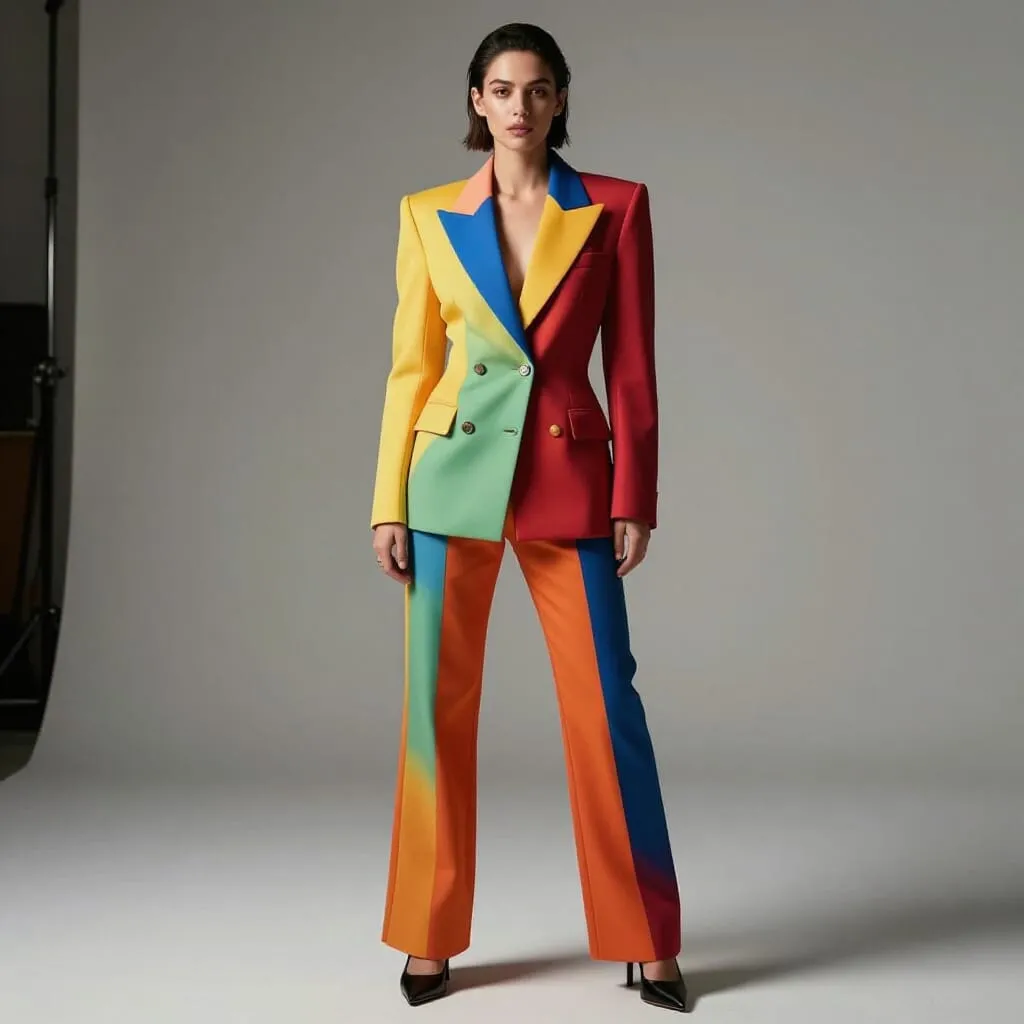
Women’s fashion is one of the strongest tools for personal identity. The clothes a woman chooses often communicate her personality, values, and lifestyle. Some women prefer classic cuts and neutral tones, reflecting elegance and simplicity, while others choose vibrant colors and bold designs to express creativity and confidence. Women’s fashion allows individuals to define themselves without speaking, making it an essential form of self-representation.
Fashion also helps women feel connected to who they are. When clothing aligns with personality, it creates a sense of authenticity. This connection between inner self and outer appearance is what makes women’s fashion deeply meaningful rather than superficial.
2. Confidence and Empowerment Through Women’s Fashion

Confidence is at the heart of women’s fashion. Wearing clothing that fits well and feels comfortable can significantly impact self-esteem. Women’s fashion is not about impressing others; it is about feeling confident in one’s own skin. A well-chosen outfit can empower women to face daily challenges with strength and positivity.
Empowering fashion supports freedom of choice. Whether a woman prefers modest clothing, modern outfits, or experimental styles, women’s fashion respects individuality. True fashion confidence comes from wearing what feels right rather than following trends blindly.
3. Comfort as a Foundation of Modern Women’s Fashion
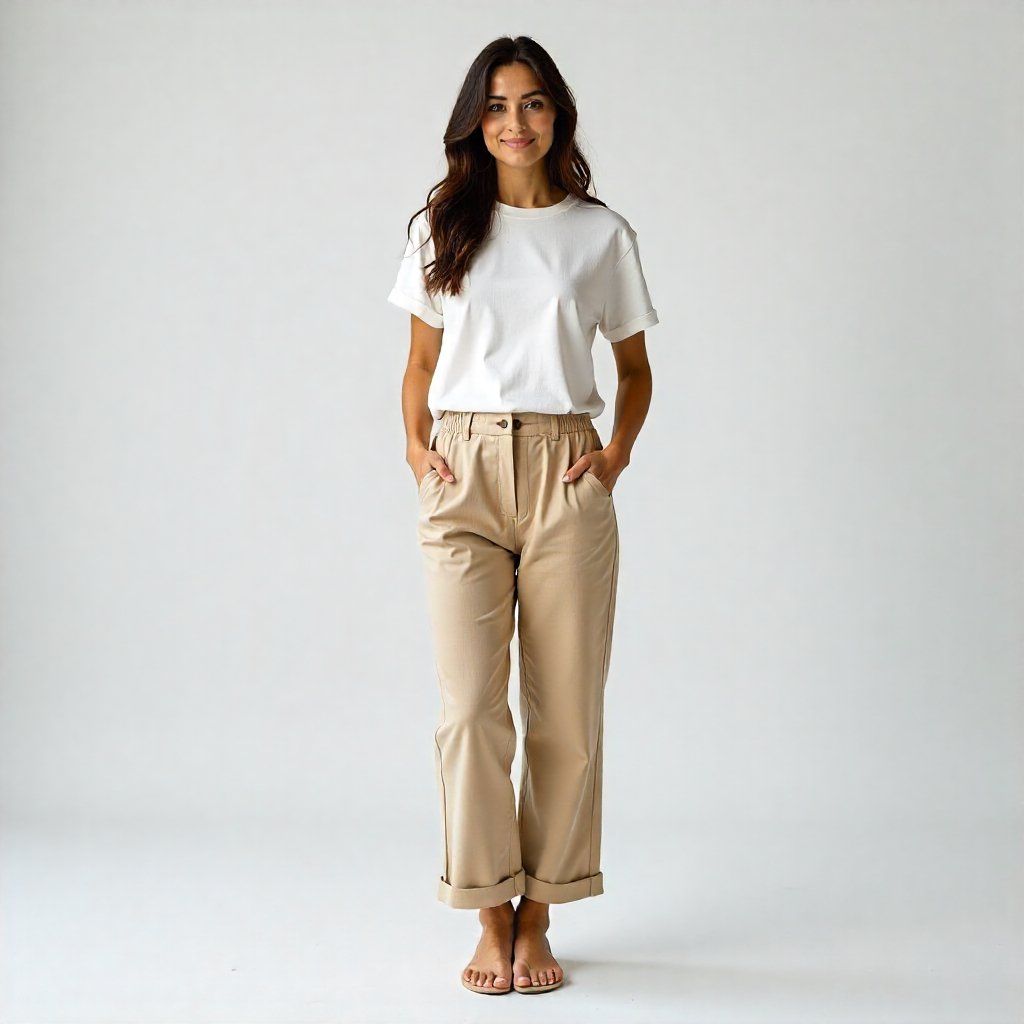
Comfort has become a central focus in modern women’s fashion. Busy routines demand clothing that supports movement and functionality. Designers now prioritize breathable fabrics, flexible fits, and practical silhouettes that allow women to stay active while remaining stylish.
Comfortable fashion does not mean compromising style. Women’s fashion today proves that comfort and elegance can coexist. This shift has transformed daily wear into something both fashionable and functional.
4. Everyday Casual Wear in Women’s Fashion
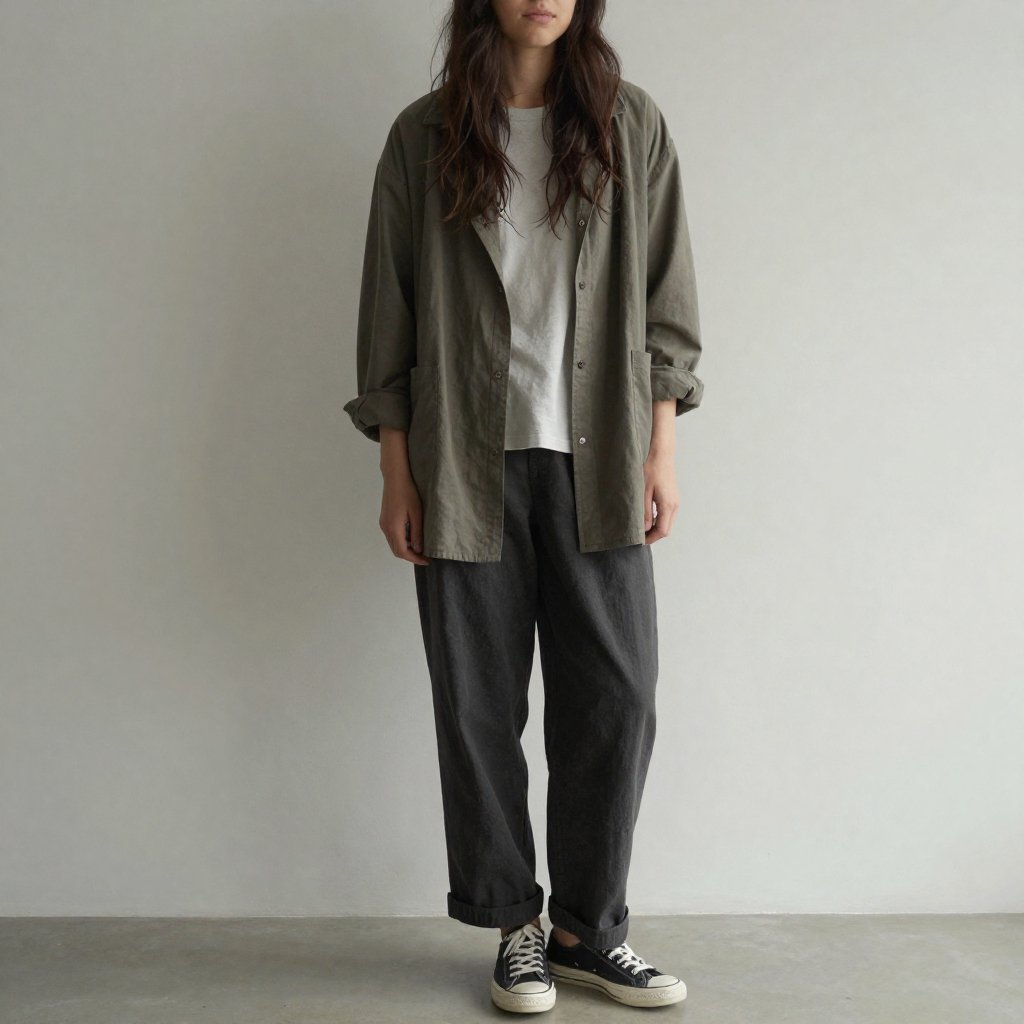
Casual wear forms the backbone of women’s fashion. Everyday outfits such as jeans, tops, casual dresses, tunics, and co-ord sets are designed for ease and versatility. These pieces allow women to transition smoothly between home, work, and social settings.
Casual women’s fashion emphasizes simplicity while maintaining a polished appearance. Neutral colors, soft fabrics, and relaxed fits make casual wear an essential part of a modern wardrobe.
5. Workwear and Professional Women’s Fashion
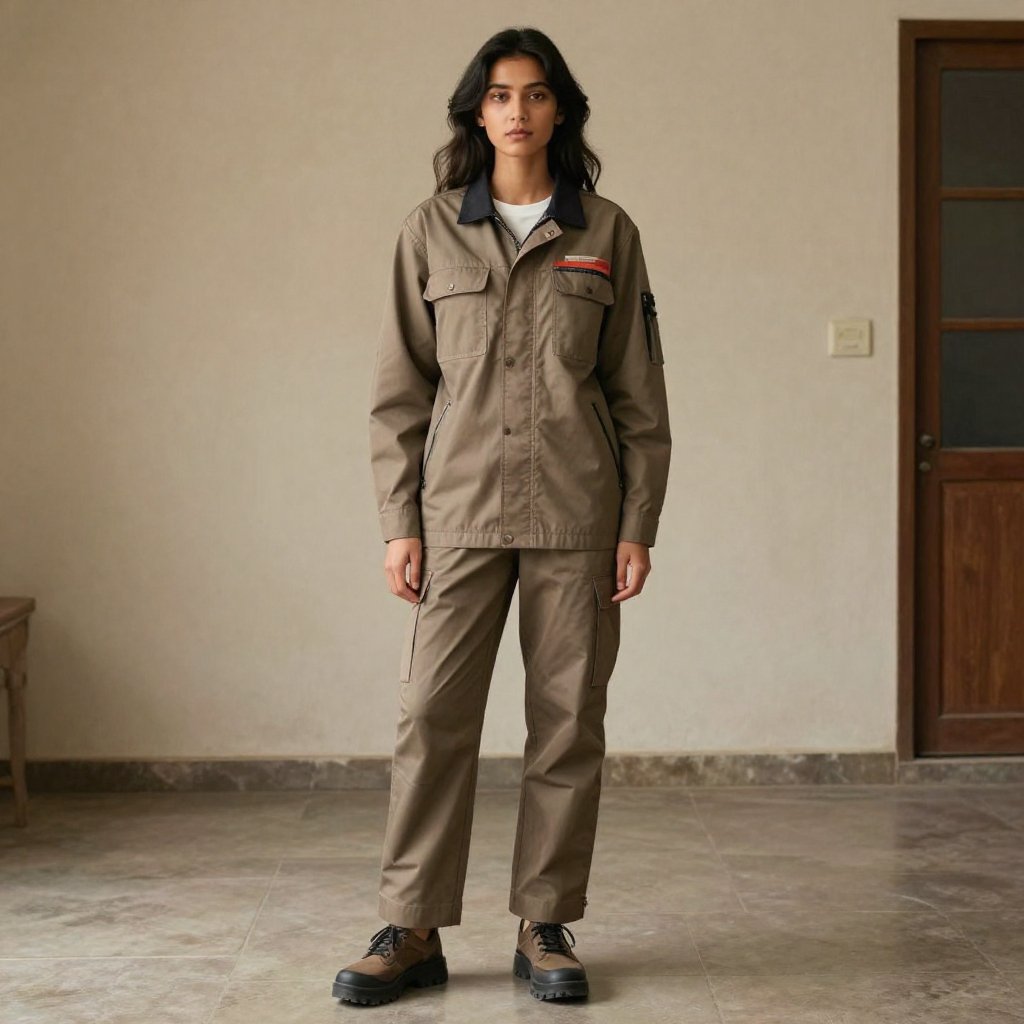
Professional attire is a key category in women’s fashion. Workwear reflects confidence, authority, and professionalism. Structured blazers, tailored trousers, skirts, and elegant blouses help create a refined look suitable for office environments.
Modern workwear has evolved to include comfort-driven designs. Stretchable fabrics and breathable materials ensure that women can maintain a professional appearance without discomfort during long working hours.
6. Seasonal Evolution in Women’s Fashion
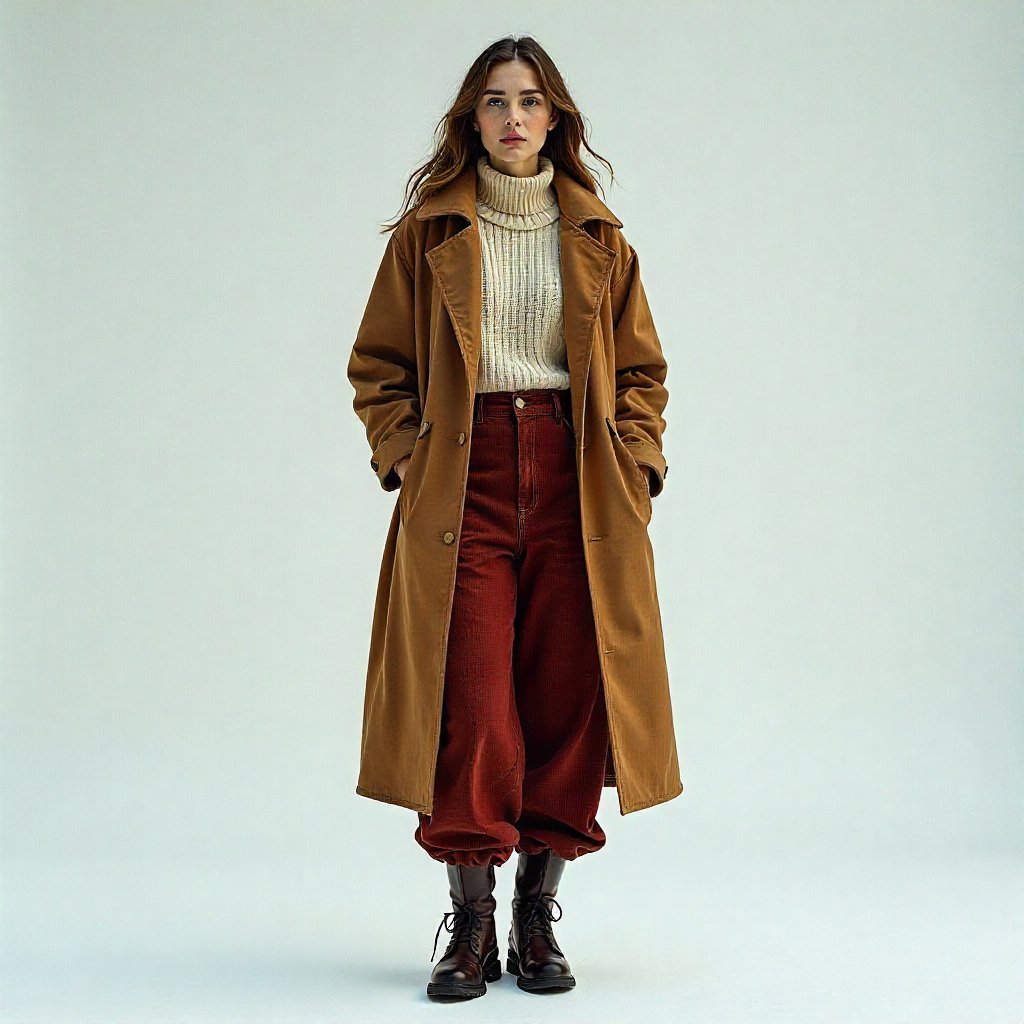
Women’s fashion changes with the seasons to meet both functional and aesthetic needs. Summer fashion focuses on lightweight fabrics, airy designs, and bright colors, while winter fashion emphasizes layering, warmth, and rich textures.
Seasonal fashion helps women adapt their wardrobes throughout the year. By understanding seasonal requirements, women can maintain style while staying comfortable in different climates.
7. Cultural Heritage and Women’s Fashion
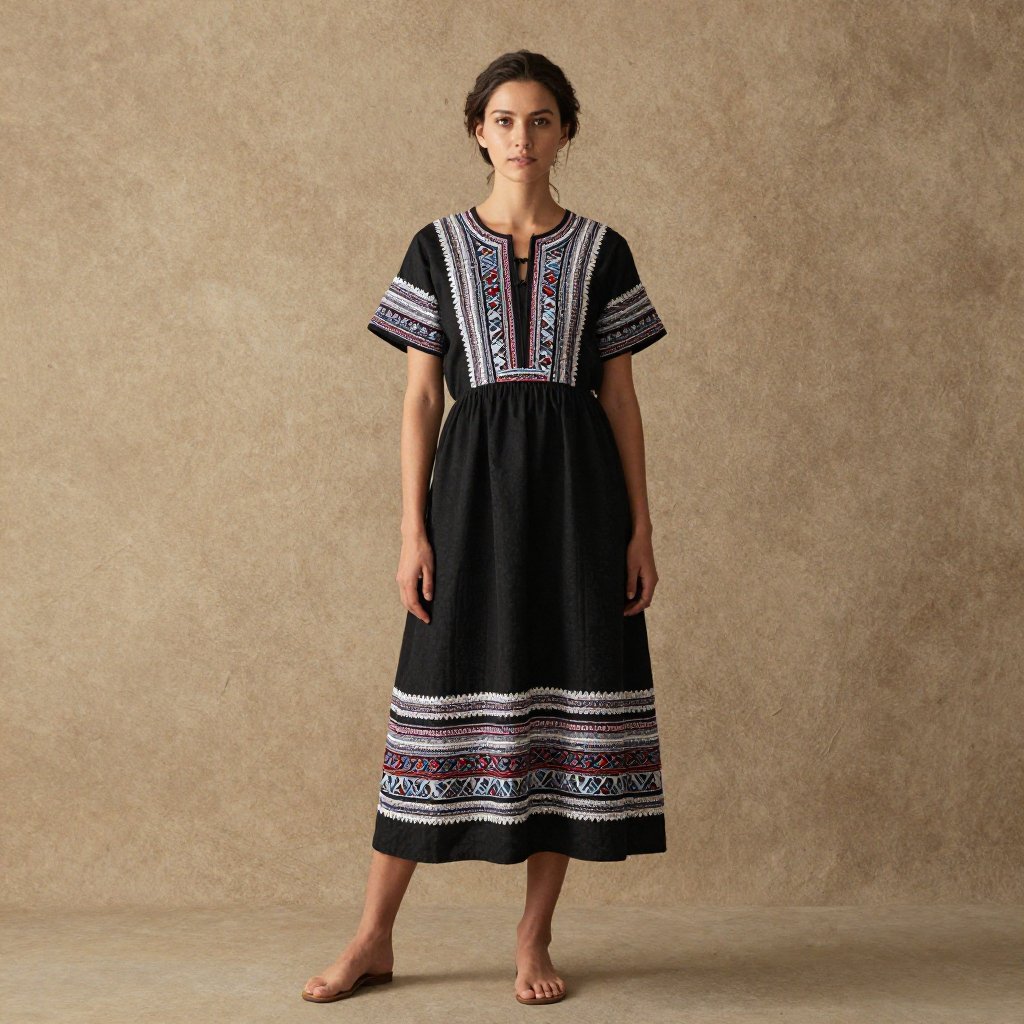
Cultural traditions deeply influence women’s fashion. Traditional garments represent history, values, and identity. Outfits such as sarees, abayas, shalwar kameez, kimonos, and lehengas showcase cultural richness and timeless beauty.
Women’s fashion often blends cultural heritage with modern styling. This balance preserves tradition while allowing innovation, making cultural fashion relevant in contemporary settings.
8. Fusion Fashion in Women’s Style
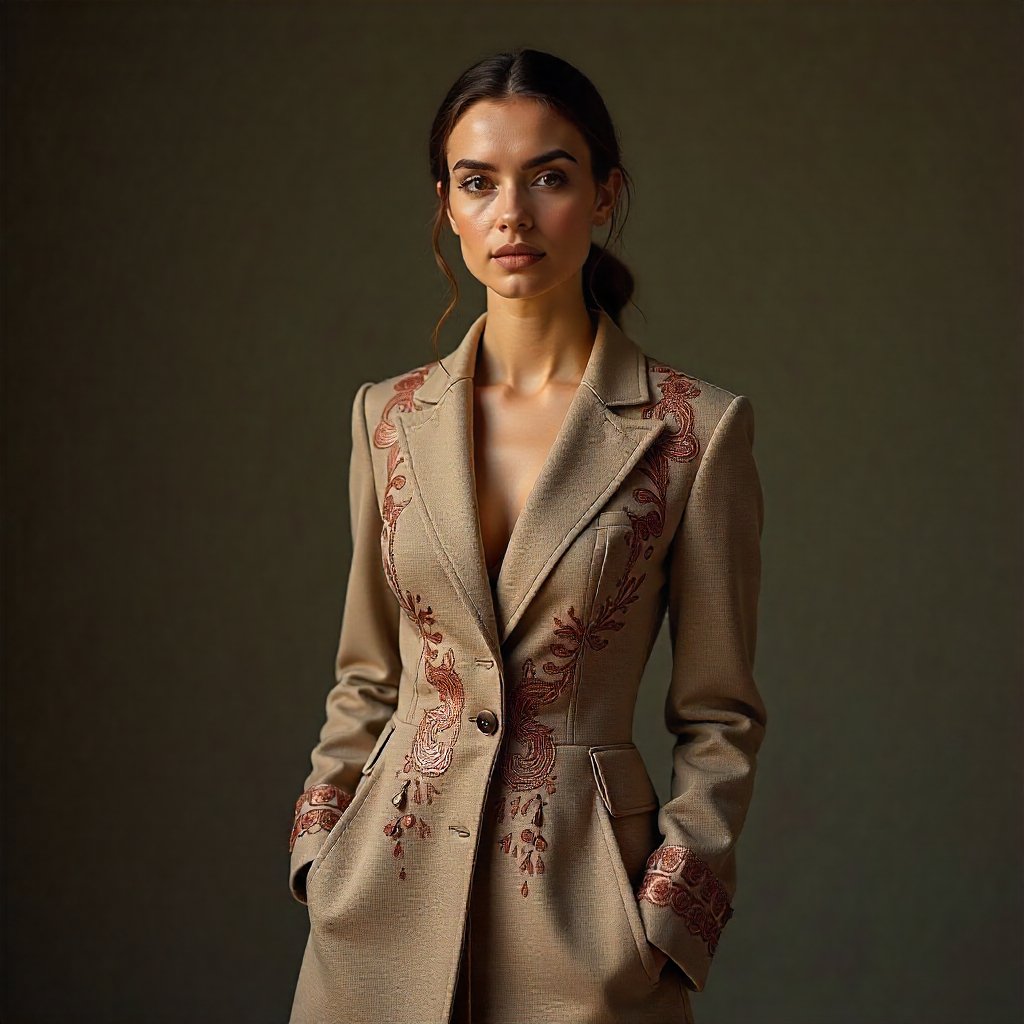
Fusion fashion is a creative aspect of women’s fashion that combines traditional and modern elements. Pairing ethnic garments with contemporary accessories creates unique and personalized looks.
Fusion women’s fashion allows freedom of experimentation. It reflects globalization while honoring cultural roots, making it a popular choice among modern women.
9. Accessories as Key Elements of Women’s Fashion
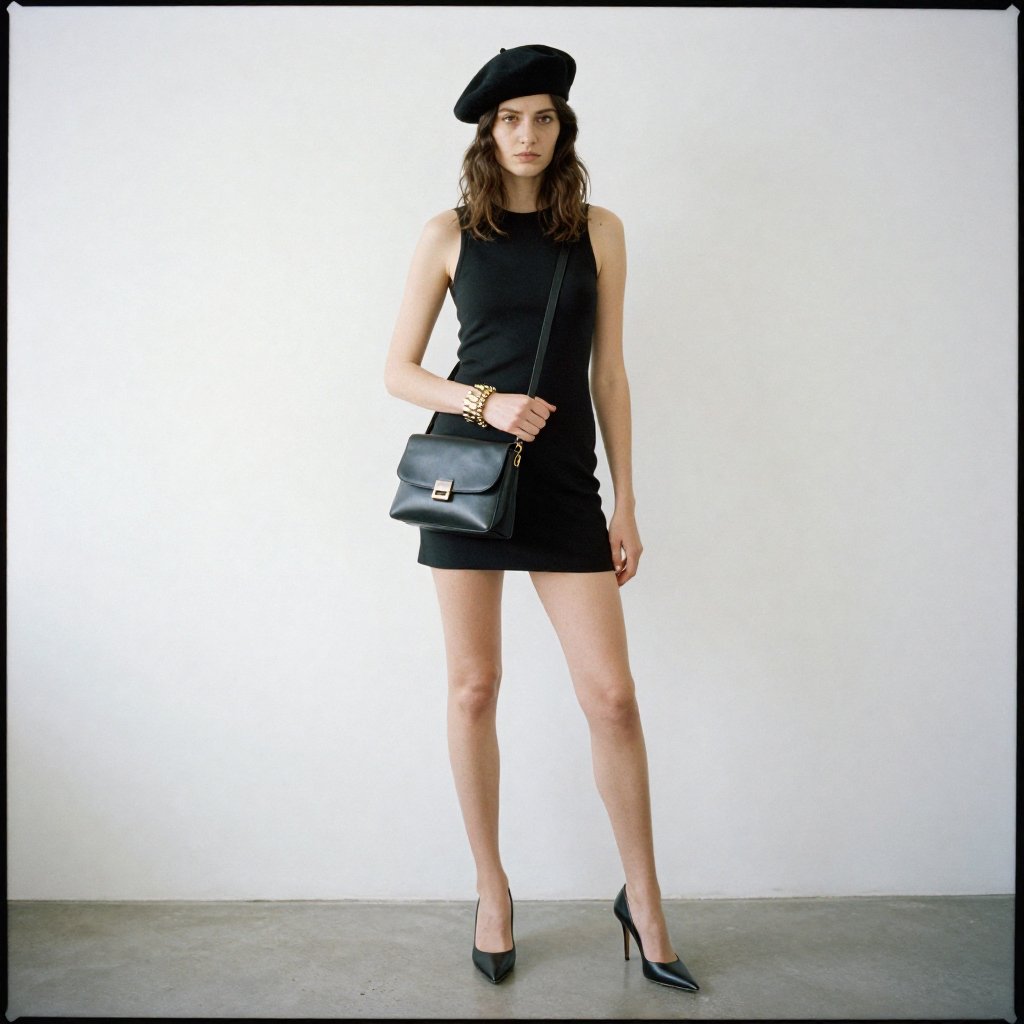
Accessories play a vital role in women’s fashion by enhancing outfits and adding personality. Jewelry, handbags, scarves, belts, and eyewear can elevate even the simplest attire.
The right accessories help create balance and harmony. In women’s fashion, accessories are not optional; they are essential style components.
10. Footwear and Its Role in Women’s Fashion
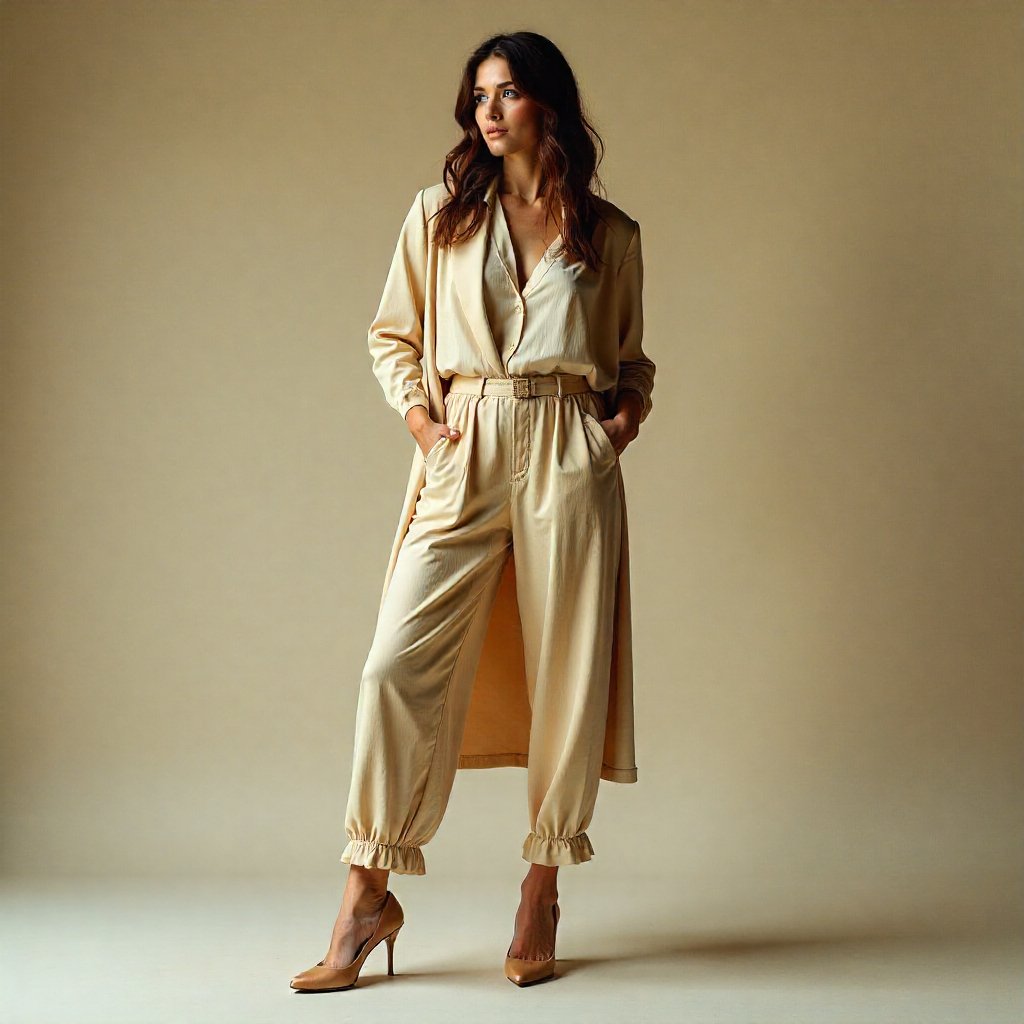
Footwear is an important part of women’s fashion because it affects comfort and confidence. From sneakers and flats to heels and boots, shoes complete an outfit and define its overall tone.
Choosing appropriate footwear ensures both style and practicality. Women’s fashion prioritizes shoes that support daily activities without compromising elegance.
11. Color Psychology in Women’s Fashion
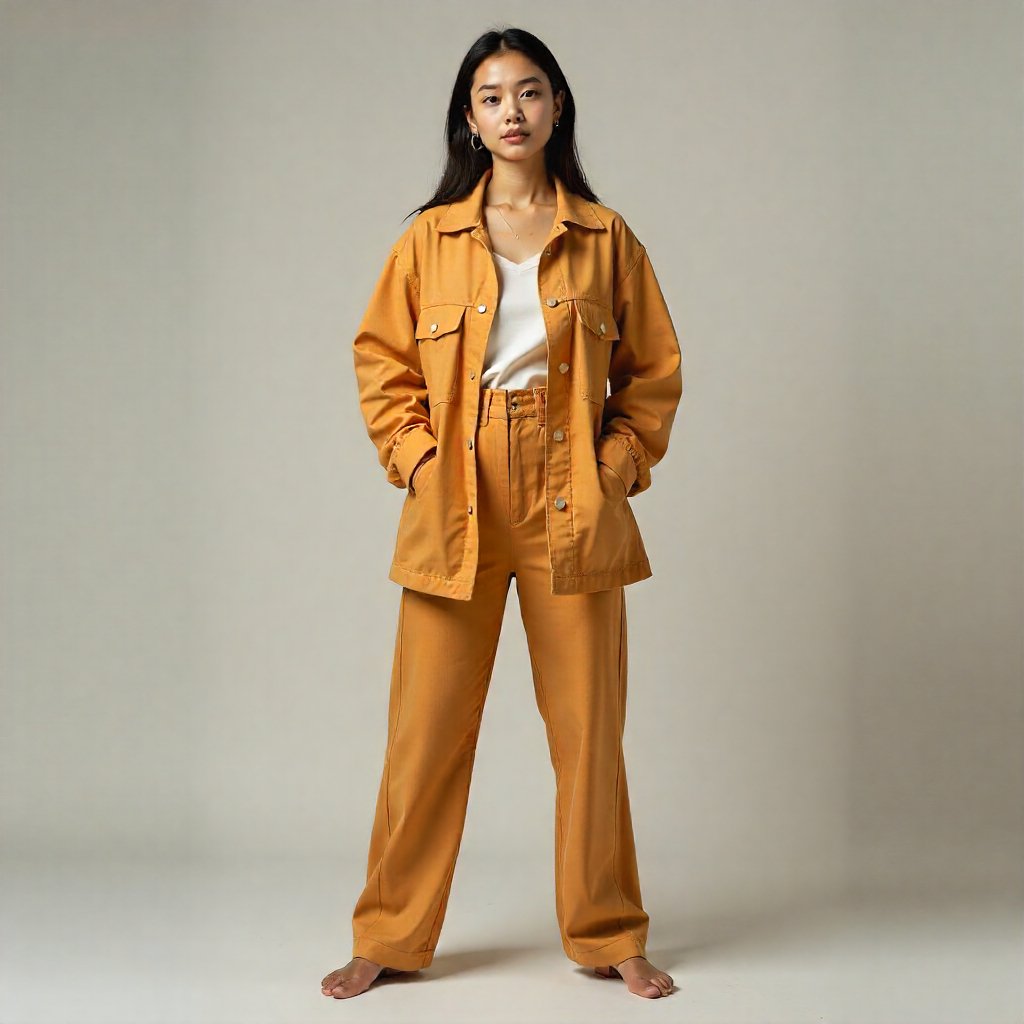
Colors play a powerful role in women’s fashion. Neutral tones convey sophistication, while vibrant colors express confidence and creativity. Understanding color psychology helps women select outfits that suit their mood and personality.
Strategic color choices enhance overall appearance. Women’s fashion uses color as a tool for emotional expression and visual harmony.
12. Fabric Quality and Longevity in Women’s Fashion
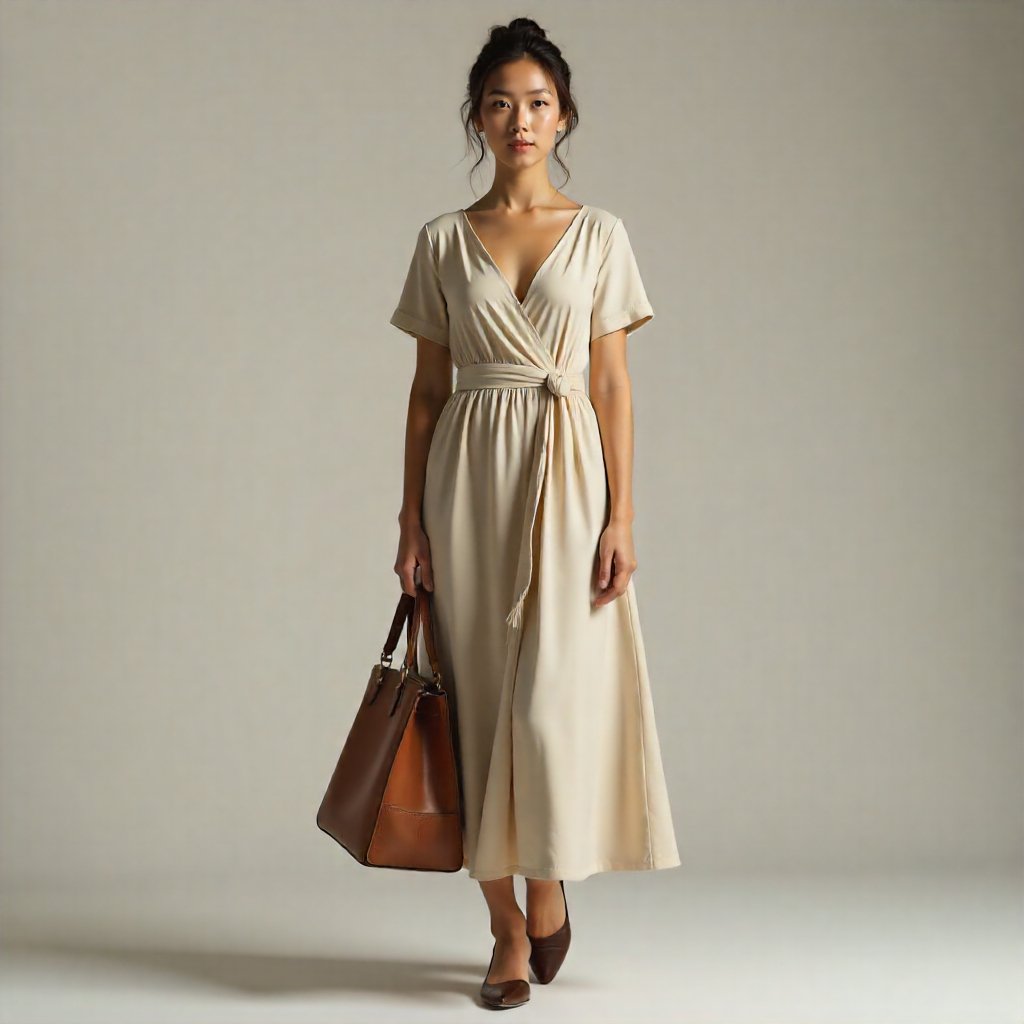
Fabric quality defines the success of women’s fashion. High-quality materials improve comfort, durability, and appearance. Natural fabrics such as cotton, silk, linen, and wool remain popular choices.
Investing in quality fabrics ensures long-term use. Women’s fashion becomes more sustainable and cost-effective when durability is prioritized.
13. Body Positivity and Inclusivity in Women’s Fashion
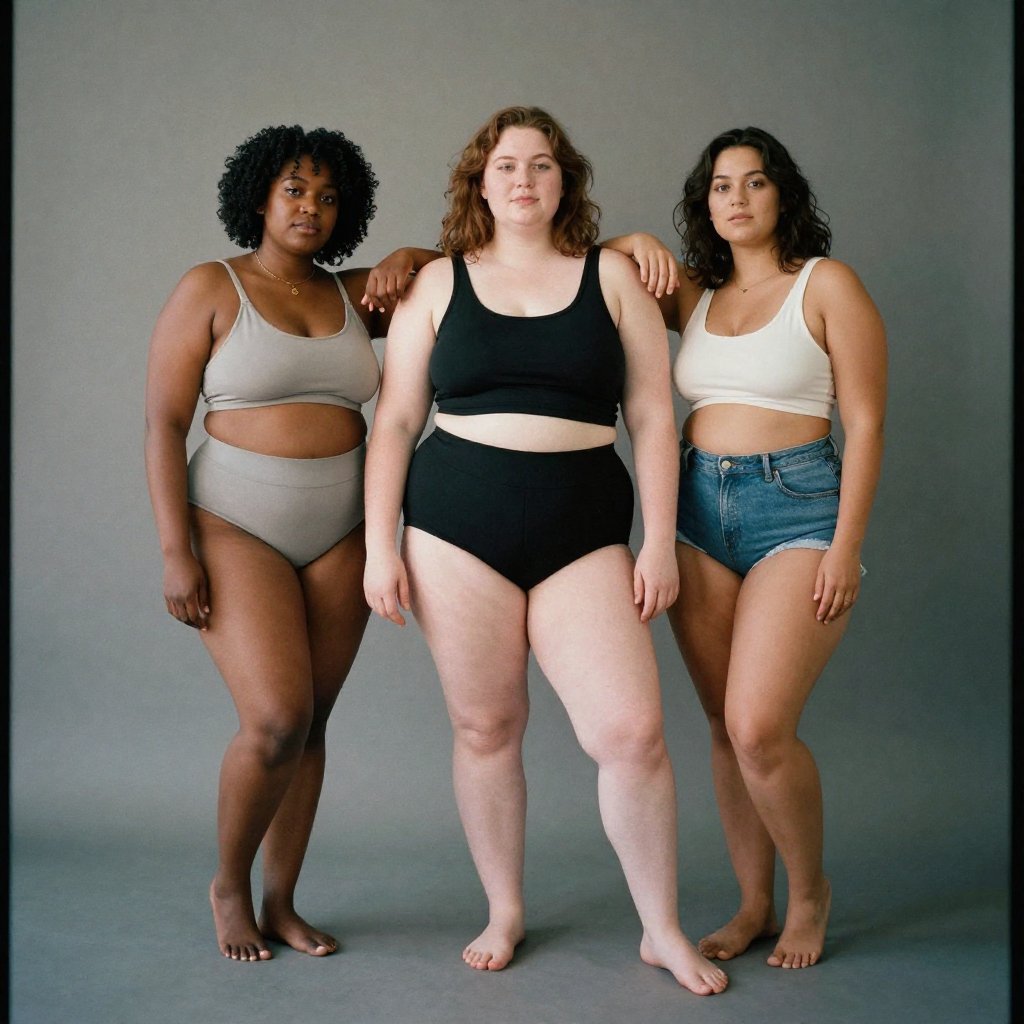
Modern women’s fashion celebrates diversity and inclusivity. Fashion brands now offer inclusive sizing and designs for all body types. This shift promotes confidence and self-acceptance.
Women’s fashion should empower every individual. Inclusive fashion ensures that style is accessible and enjoyable for everyone.
14. Sustainable and Ethical Women’s Fashion
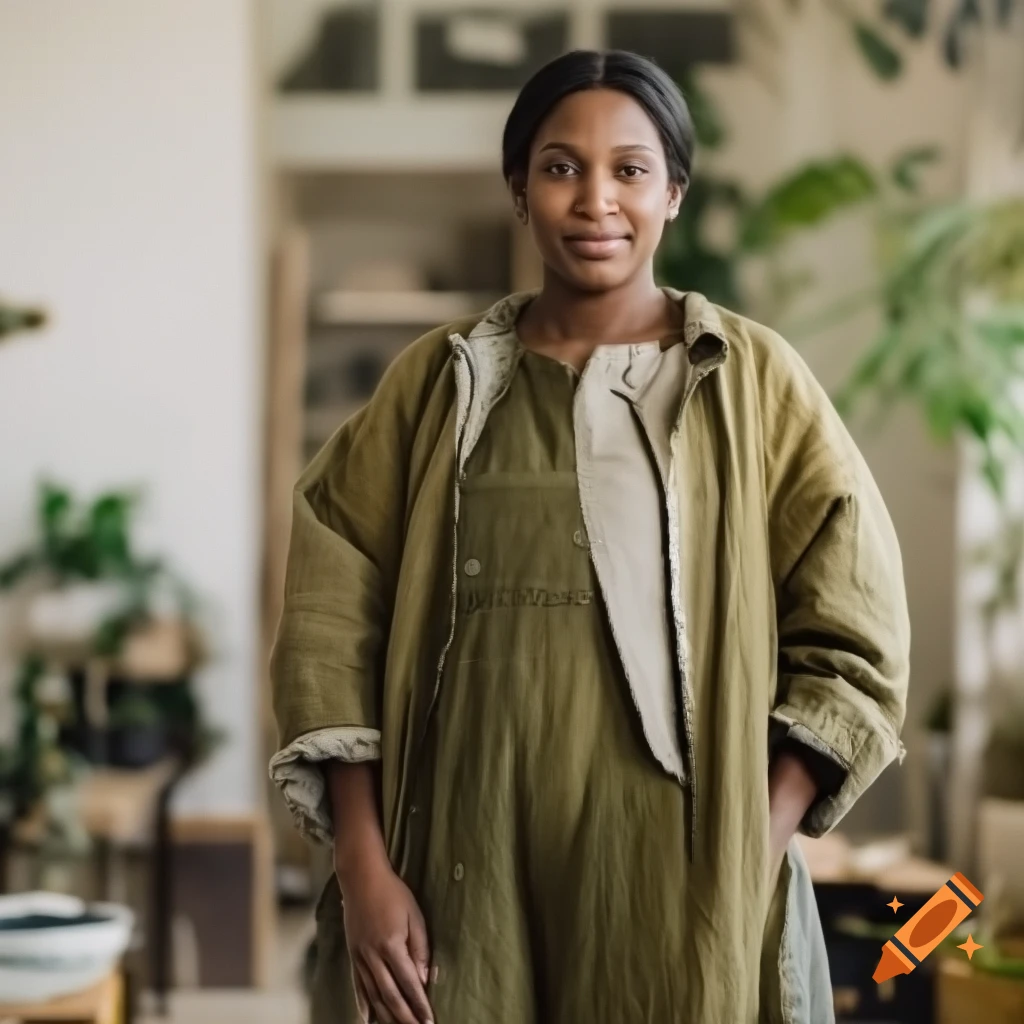
Sustainability is shaping the future of women’s fashion. Eco-friendly materials, ethical labor practices, and conscious consumption are gaining importance.
Choosing sustainable women’s fashion supports environmental protection and responsible production. It reflects awareness and care for future generations.
15. Statement Pieces and Trend Influence
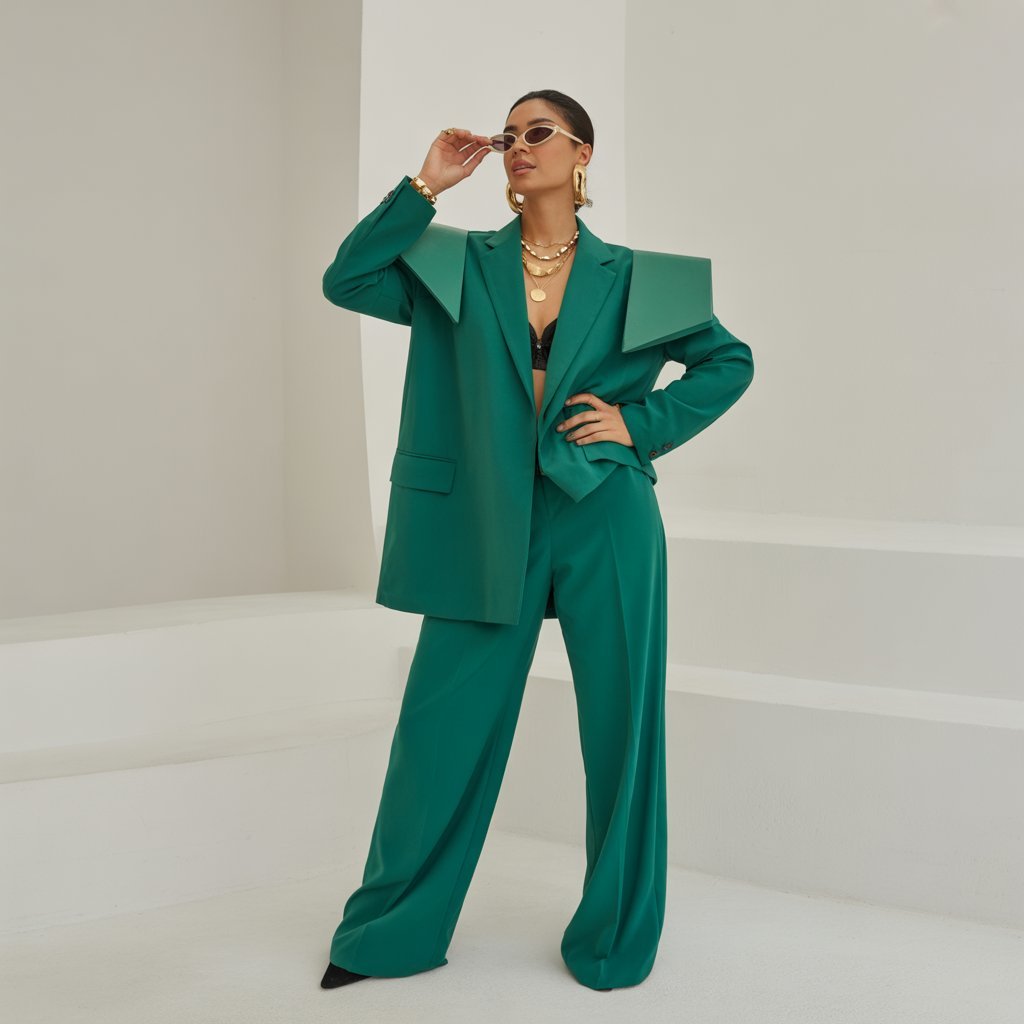
Statement pieces add character to women’s fashion. Bold designs, unique textures, and eye-catching accessories allow women to express individuality.
While trends change rapidly, statement items help maintain relevance. Women’s fashion balances trend awareness with personal style.
16. Minimalism in Women’s Fashion
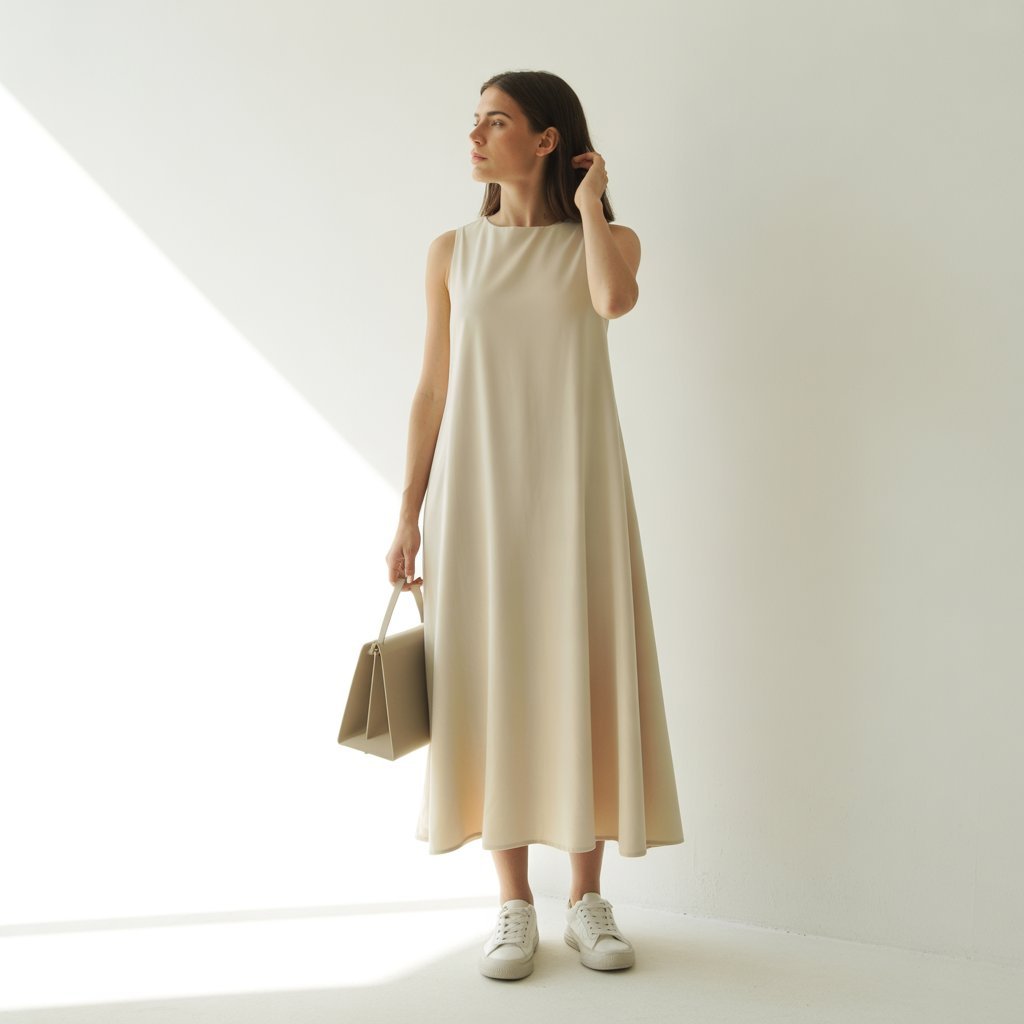
Minimalist fashion focuses on simplicity, clean lines, and timeless designs. This approach to women’s fashion emphasizes quality over quantity.
Minimalism creates versatile wardrobes. Women’s fashion becomes effortless and elegant when simplicity is embraced.
17. Evening Wear and Occasion Dressing
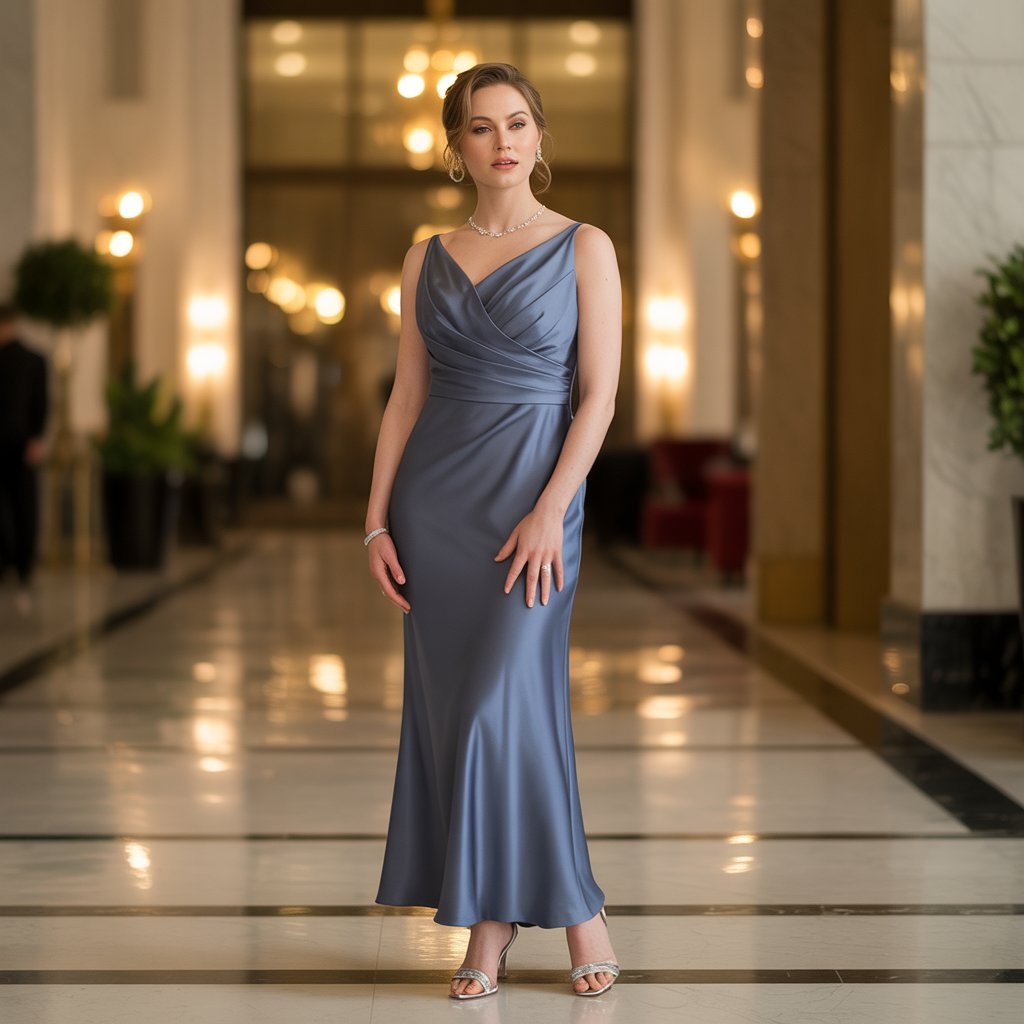
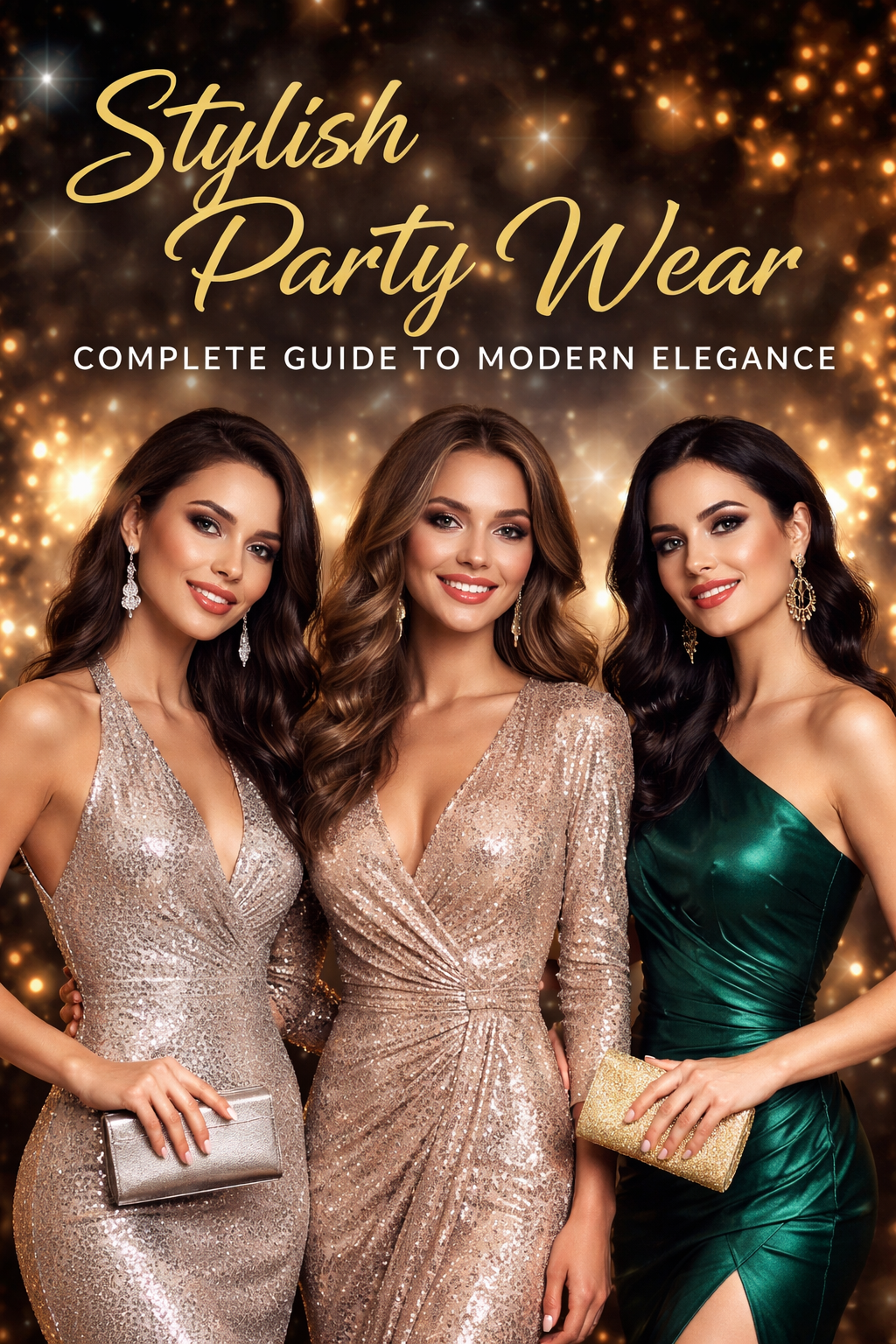
Evening wear highlights the luxurious side of women’s fashion. Dresses, gowns, and embellished outfits are designed for celebrations and formal events.
Occasion wear allows women to explore glamour and elegance. Women’s fashion shines during moments of celebration.
18. Layering Techniques in Women’s Fashion
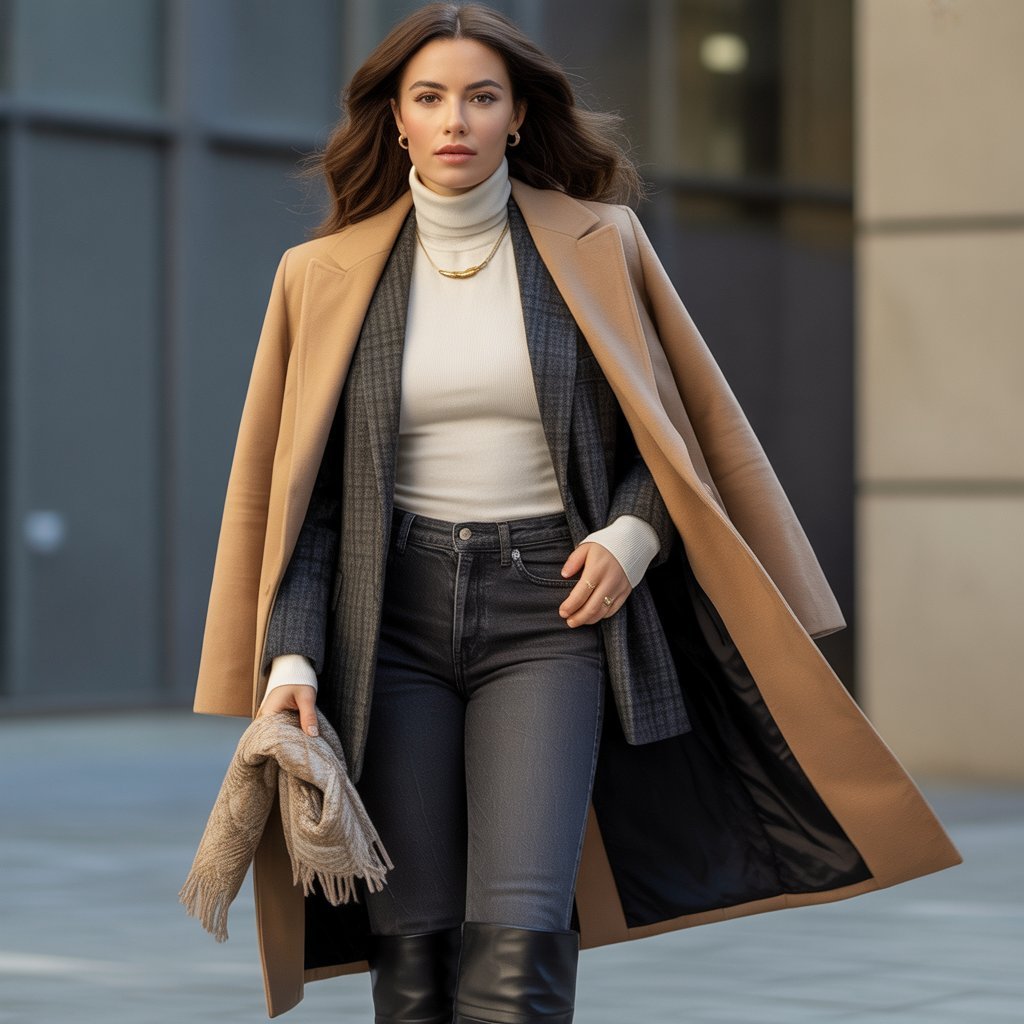
Layering adds depth and versatility to women’s fashion. Jackets, cardigans, shawls, and coats help adapt outfits to changing weather.
Effective layering enhances both style and functionality. Women’s fashion benefits from thoughtful layering techniques.
19. Social Media’s Influence on Women’s Fashion
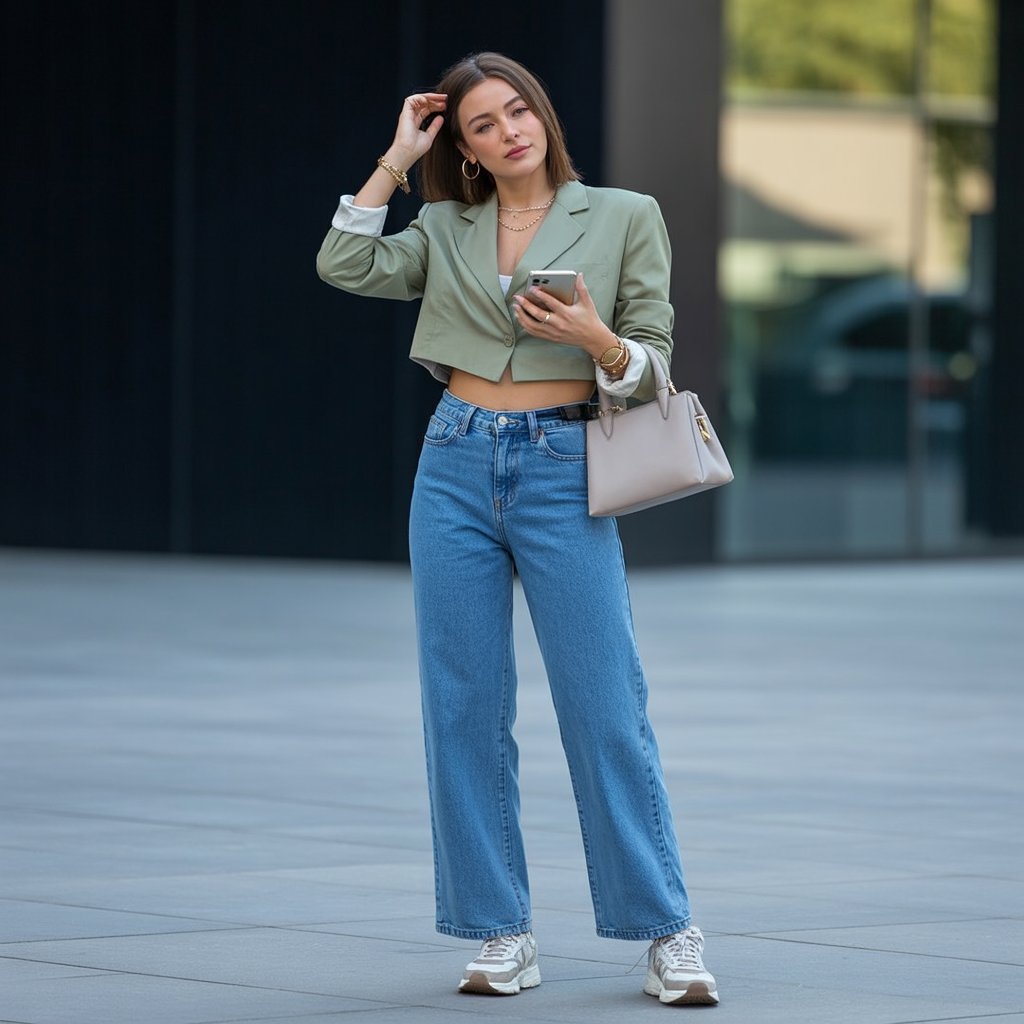
Social media has transformed women’s fashion by offering instant inspiration. Influencers and digital platforms introduce new styles daily.
While trends spread quickly, women’s fashion should prioritize individuality. Social media is a guide, not a rule.
20. Building a Versatile Women’s Fashion Wardrobe
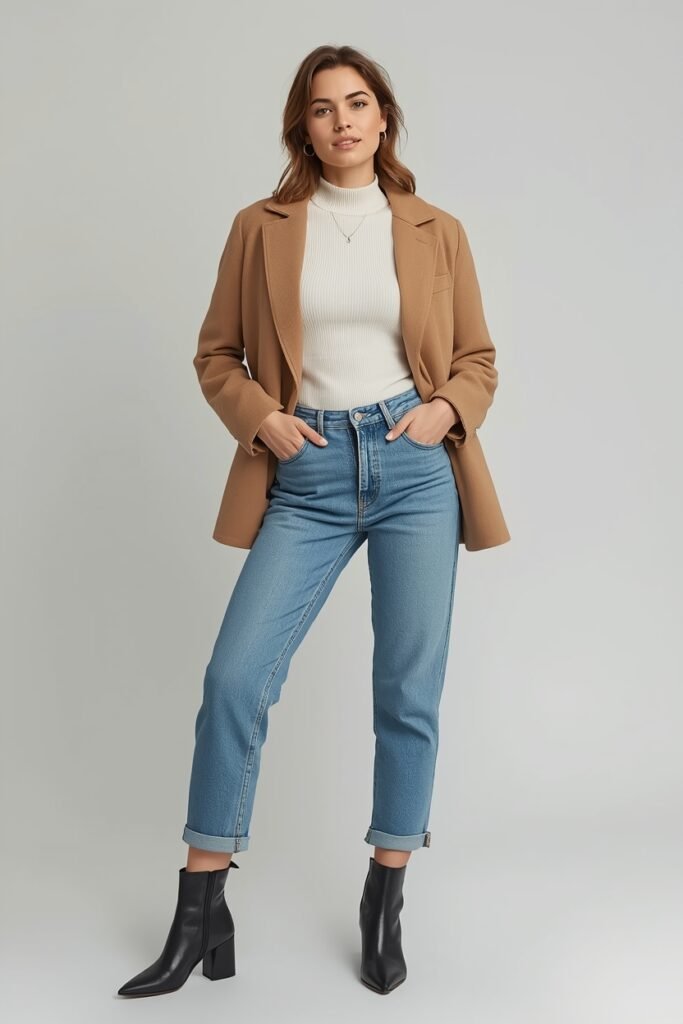
A versatile wardrobe is essential in women’s fashion. Core pieces that mix and match easily simplify styling and save time.
A well-planned wardrobe supports consistency and confidence. Women’s fashion becomes practical and expressive through versatility.
Final Thoughts
Women’s fashion is a powerful blend of creativity, confidence, culture, and comfort. It evolves continuously while remaining deeply personal. By embracing individuality, prioritizing comfort, and making conscious choices, women can use fashion as a source of empowerment.
Ultimately, women’s fashion is not about perfection or trends; it is about expression and confidence. When fashion aligns with personality and lifestyle, it becomes a meaningful reflection of inner strength, elegance, and self-belief.